Author: Sagit Indizki

  • What Are Early Signs of Dental Trouble? (Frequently Asked Questions)

    Our previous two blog posts emphasized on the first signs of your oral health being at risk. Everyone should know them, so if you haven’t gotten a chance to get to know what the FIRST signs to look out for, we recommend you catch up on those two blog entries. After reading them, you’ll have a greater understanding on when it’s time for you to visit your dentist.

    We’re almost 100% certain that even after reading those two blog entries, you still have questions, such as whether you can prevent dental trouble, as well as whether there are any special diets that could help prevent these dental diets. We’re here to answer these questions. The first step in preventing dental trouble is recognizing the symptoms of potential problems. Early warning signals include sensitivity to hot or cold foods and drinks, persistent bad breath, changes in coloration or texture of the gums, loose or broken teeth, mouth sores that don’t heal quickly, pain when chewing food, and difficulty opening the jaw. If any of these symptoms arise, it is important to contact your dentist as soon as possible for any necessary treatment.

    Then there’s the question on dieting and whether it can help improve dental health. A diet low in sugar and refined carbohydrates can help reduce your risk of cavities, as well as improve gum health. In addition, eating a balanced diet that is rich in fruits and vegetables, lean proteins, whole grains, and dairy products can also help keep your teeth and gums healthy. Lastly, limiting acidic beverages, such as soda and energy drinks, can help reduce your risk of enamel erosion.

    All of us at Chroma Dental understand that you have questions and concerns. We promise that if you choose us as your dental care provider, our team will put you and all of your dental needs as our first priority. We’ll answer all your answers and concerns before starting any treatment, and we’ll make sure your dental health is taken care of as smoothly as possible. You’re now only just one step away from getting the best of the best. Contact us today. You WON’T be disappointed.
  • What Are Early Signs of Dental Trouble? (Part 2)

    Our previous post put a heavy emphasis on three early signs of dental trouble. While the three that were discussed are crucial, they’re not a representation of ALL early signs that there might be something wrong with your dental health. There are more, and they’re all just as important to consider when making a decision to visit your dentist.

    Changes in Bite Pattern

    Changes in your bite pattern can be an early warning sign of dental trouble. Bite patterns are the way your teeth fit together when you are biting down. If this changes, it may suggest that there is an issue with your jaw alignment, or abnormal muscle activity in the face and neck which could interfere with proper chewing and grinding habits.

    Changes to your bite pattern should always be checked out by a dentist as soon as possible so that any underlying conditions can be identified and corrected if necessary. These issues can range from minor problems, such as cavities or gum disease, to more advanced issues such as infection, displacement of the teeth, or even temporomandibular joint disorder (TMJ).

    Loose Teeth

    Teeth may become loose due to several causes, including improper tooth alignment, weakened enamel from bacteria or acid erosion, gum disease such as periodontitis, which leads to tissue and bone loss around the teeth, physical trauma that results in a fractured root, or side effects of certain medications.

    To assess a loose tooth, gently press on each tooth in your mouth with your finger while biting down lightly. If any move more than normal when pressed upon, it is likely loose, and could require attention from a dentist.

    Red, Swollen, or Bleeding Gums

    Red, swollen, or bleeding gums are often indicative of dental trouble. This can be caused by periodontal disease, or other issues that can lead to further complications if left untreated. It is important to pay attention to these symptoms, as they may worsen over time and cause more serious problems in the future.

    Brushing twice a day, flossing daily, and visiting your dentist regularly for check-ups can help prevent gum inflammation from developing into something more severe. Taking good care of your oral health is essential for maintaining healthy teeth and gums; proper hygiene practices should always be followed to reduce the risk of potential problems arising.

    Sensitivity to Hot or Cold Temperatures

    Having sensitivity to hot or cold temperatures can be an early sign of dental trouble, such as cavities and gum disease. Tooth enamel is a hard substance meant to protect teeth from damage, but when this protective layer wears away due to plaque buildup or acid erosion, it can cause extreme temperature sensitivity.

    When tooth enamel begins to erode, people may also start experiencing jaw pain or tenderness near the affected area. This could indicate decay has reached deeper layers below the surface of your teeth. In this case, it’s important to make an appointment with your dentist for further diagnosis and treatment options.

    Difficulty Chewing or Speaking

    Difficulty chewing and speaking may be an unexpected symptom of dental trouble – however, this is often a sign that something is wrong and requires further investigation by a qualified professional.

    If these difficulties arise when eating soft foods, this could indicate misalignment or infection. In rare cases, it might even signal temporomandibular joint disorder (TMJ), where inflammation of the muscles surrounding the joints in the face causes stiffness and soreness while talking or eating solid food.

  • What Are Early Signs of Dental Trouble? (Part 1)

    What Are Early Signs of Dental Trouble? (Part 1)

    When it comes to caring for your oral health, it’s important to recognize the signs of trouble. From bad breath to tooth sensitivity, changes in taste, or discoloration, the ability to recognize subtle cues that something is wrong with your oral health should never be ignored. While these signs don’t necessarily guarantee a diagnosis of poor oral health, they should nonetheless warrant further investigation as soon as possible – as with many medical issues, early detection is key for successful treatment.

    Visible Tooth Damage

    Visible tooth damage is one of the earliest signs of dental trouble. It can be seen in many forms, such as cavities, chips and cracks in the teeth, discoloration, or worn-down enamel.

    Dental decay begins with small holes that may become larger over time if not treated promptly. Damage to a tooth’s surface can also occur due to grinding or clenching of the jaw, trauma from an accident or sports injury, professional whitening treatments, or excessive consumption of acidic foods and drinks.

    Early treatment for visible tooth damage is essential for oral health maintenance, and regular visits to the dentist are recommended for preventative care and diagnosis of any potential problems. With timely intervention by a qualified provider, these issues can be successfully addressed before they cause further harm to the mouth and body.

    Tooth Pain or Discomfort

    Another early sign of of dental trouble is tooth pain or discomfort. This can be experienced as a dull ache, sharp pain when biting down on certain areas in the mouth, or continual sensitivity to hot and cold foods. Other indications include:

    • Tenderness or swelling around the gums
    • Difficulty eating due to painful chewing surfaces
    • Painful gum lines that become redder than usual
    • A feeling of pressure inside a cavity caused by an infection
    • Unusual sensations such as prickliness or tingling in a specific area of the mouth.

    These feelings should not be ignored if they last more than two days, as they could be warning signs of an underlying issue within your teeth or gums. Seeking advice from a dentist at this stage may help prevent further damage from occurring.

    Bad Breath or Unpleasant Taste in The Mouth

    A common early sign of dental trouble is bad breath or an unpleasant taste in the mouth. This can range from a mild, temporary problem to something that persists over time and requires professional attention. Some further signs of trouble include:

    • An unusual odour coming from the mouth,
    • A feeling like something is stuck between teeth,
    • Dryness in the mouth accompanied by a burning sensation.

    These symptoms could indicate that bacteria have built up on the gums and teeth due to improper oral hygiene habits, as well as act as an indication of gum disease or another underlying condition, such as diabetes, that needs to be addressed with professional help.

    These are just the first 3 signs….

    If any of these symptoms arise, it is important to contact your dentist as soon as possible for any necessary treatment. Our team at Chroma Dental is dedicated to providing the best quality service to all of our clients. When you choose to come to us, our main priority is to make sure your oral health is in its best care.

  • Is Invisalign a Good Choice for Your Teen?

    Being a teenager is hard. Your body is going through drastic changes; teeth included. That’s exactly why taking care of your oral health is crucial at that tender age. If you, as the parent to your teenage son or daughter, are thinking about how to make your teen’s smile even better, you might be wondering about Invisalign. And you’re not alone in this. It’s actually something a lot of parents think about because we all want our kids to be happy and healthy.

    Why Invisalign Rocks for Teens

    Looks Cool: First off, Invisalign is almost invisible! It’s made from a clear material, so it’s not as noticeable as those metal braces. This means your teen won’t feel weird or embarrassed about wearing them.

    Comfy to Wear: Invisalign is super comfy since it’s made just for your teen’s teeth. No sharp parts poking them, which is great especially if they play sports or an instrument.

    Eat Anything: With Invisalign, your teen doesn’t have to stop eating their favorite snacks. They can just take out the aligners and enjoy. No more worrying about popcorn or candy getting stuck in braces!

    Fewer Trips to the Dentist: Unlike braces that need a lot of check-ups and tightening, Invisalign means fewer visits to the dentist. This means more free time for fun stuff!

    It Fits Their Life: Invisalign fits right into whatever your teen loves doing, from hanging out with friends to playing sports. They won’t feel held back by their braces.

    But, Keep These in Mind…

    They Have to Wear Them: For Invisalign to work, your teen has to wear them a lot, like 20-22 hours a day. It’s a big responsibility, but it’s worth it.

    Don’t Lose Them!: Since Invisalign can be taken out, they can also be lost. Make sure your teen knows where they are to avoid any extra costs.

    Might Take Time: Sometimes, Invisalign might take a bit longer than braces, especially if they’re not worn as instructed. It’s all about sticking to the plan.

    Not for Every Issue: If your teen’s teeth need a lot of work, traditional braces might be the way to go. Invisalign is awesome for many things, but not everything.

    Talking Funny at First: At the start, your teen might talk a bit funny with the aligners, but they’ll get used to it quickly.

    Deciding on Invisalign depends on a few things like how much your teen is willing to wear them, how they feel about their looks, and what kind of teeth fixing they need. If your teen is good at following rules and cares about how braces look, Invisalign could be the perfect solution for your teen’s beautiful smile.

    When making that decision, it’s important to remember that wearing them most of the day and taking care of them on a daily basis must not be taken lightly. If your teen can do that, they’re on their way to the most beautiful smile.

    If you think Invisalign could be right for your teen, come talk to us at Chroma Dental. We’re all about making sure your teen gets the best care while making the journey as smooth-sailing and comfortable as possible.

  • Dental Care for Seniors: How Chroma Dental Can Help You Take Better Care Of Your Teeth

    Dental Care for Seniors: How Chroma Dental Can Help You Take Better Care Of Your Teeth

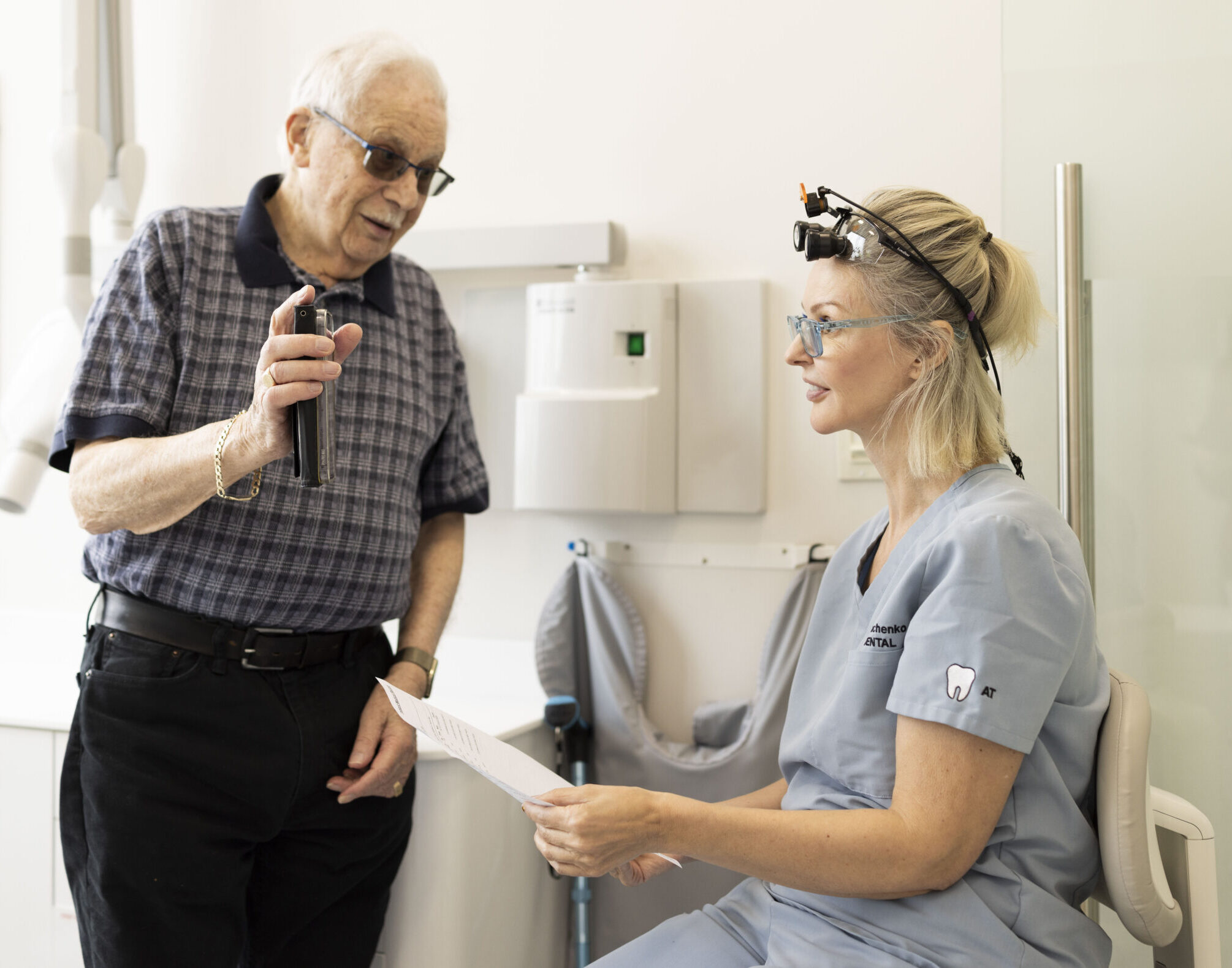
    Our entire team at Chroma Dental understands how difficult it can be for older adults to maintain healthy teeth and oral hygiene. We also understand the unique dental needs of seniors. That’s exactly why our team of experienced dental professionals is dedicated to providing comprehensive care tailored to meet the specific requirements of older adults. We can provide personalized advice on oral hygiene practices, diet, and other factors that affect oral health. We can also recommend products that may be beneficial for specific issues like dry mouth or sensitive teeth.

    Our comprehensive dental exams include thorough evaluations of your teeth, gums, and overall oral health. We use advanced diagnostic tools to detect any issues early and create personalized treatment plans. Preventive care is a cornerstone of our practice. We offer professional cleanings, fluoride treatments, and sealants to help prevent tooth decay and gum disease. Our team also provides education on proper oral hygiene practices.

    We offer a range of treatments for gum disease, from deep cleanings (scaling and root planing) to more advanced periodontal therapies. Our goal is to help you achieve and maintain healthy gums. If you’re experiencing dry mouth, our dental professionals can recommend products and strategies to help manage this condition and reduce its impact on your oral health.

    Whether you need dentures, bridges, or dental implants, we provide a variety of tooth replacement options to restore function and appearance. Our team will work with you to determine the best solution for your needs. Regular oral cancer screenings are an integral part of our dental exams. Early detection is key to successful treatment, and we are committed to providing thorough screenings for our patients.

    Everyone in our team certainly understands that dental visits can be stressful for some seniors. That’s why we’re 100% committed to providing a comfortable and compassionate environment to ensure a positive experience. At the end of the day, maintaining dental health is essential for seniors, and with the right care and attention, it is possible to enjoy a healthy mouth and a bright smile at any age. By practicing good oral hygiene, staying hydrated, eating a balanced diet, avoiding tobacco, and visiting the dentist regularly, seniors can prevent common dental issues and maintain their oral health.

    At Chroma Dental clinic in Bayview Village, we are dedicated to providing the highest quality dental care for seniors. Our team of skilled professionals is here to help you achieve and maintain optimal oral health. Don’t wait until a problem arises—schedule your appointment with us today and take the first step towards a healthier smile.

    Let us help you maintain a healthy and beautiful smile for years to come – for more information, visit us today. We promise you: there’s nothing more important to us than your dental health. It will ALWAYS be our first priority!

  • Dental Care for Seniors: Maintaining Dental Health in Older Adults

    Dental Care for Seniors: Maintaining Dental Health in Older Adults

    Our previous post put a great emphasis on the common issues in oral health that could arise as we age, particularly as one gets to senior age. While it can seem scary at first, there’s good news, and it’s that there are ways to maintain oral health; even after the age of 65. Keeping a healthy mouth as we age means following good oral hygiene, visiting the dentist regularly, and making some lifestyle changes. Here are some tips for seniors:

    Practice Good Oral Hygiene

    • Brush Twice a Day: Use a soft toothbrush and fluoride toothpaste to brush your teeth at least twice a day. This helps remove plaque and prevent tooth decay and gum disease.
    • Floss Daily: Flossing removes food and plaque from between the teeth and under the gumline where a toothbrush can’t reach.
    • Use Mouthwash: An antimicrobial mouthwash can reduce bacteria in the mouth and freshen breath.

    Stay Hydrated

    Drink plenty of water to keep your mouth moist and maintain saliva production. Avoid sugary and caffeinated drinks that can cause dry mouth and tooth decay.

    Maintain a Healthy Diet

    Eat a balanced diet with lots of fruits, vegetables, lean proteins, and whole grains. This supports overall health and helps keep teeth and gums strong. Limit sugary and acidic foods and drinks that can damage tooth enamel and cause cavities.

    Avoid Tobacco Products

    Smoking and using other tobacco products can lead to gum disease, tooth loss, and oral cancer. Quitting smoking can greatly improve oral and overall health.

    Regular Dental Check-Ups

    Regular dental visits are crucial for keeping your mouth healthy. Dentists can find and treat problems early, do professional cleanings, and give advice on good oral hygiene practices.

    Manage Medications

    Some medications can cause dry mouth and other dental issues. Talk to your healthcare provider about possible alternatives or ways to manage these side effects.

    Use Dental Aids

    If you have trouble with manual dexterity, electric toothbrushes and water flossers can be easier to use and more effective for cleaning teeth and gums.

    Replace Missing Teeth

    If you’ve lost teeth, consider options like dentures, bridges, or implants to restore function and appearance. Make sure dentures fit properly, clean them regularly, and have them checked by a dentist.

    Visit Your Dentist Regularly…

    We really can’t put enough emphasis just how crucial it is to do so. It’s practically a make-it-or-break-it when it comes to one’s dental health if you’re over the age of 65. Your dentist can detect early signs of tooth decay, gum disease, oral cancer, and other issues that may not be noticeable to the patient. Early detection allows for timely treatment, which can prevent more severe problems down the line.

    Professional Cleaning

    Professional cleanings remove plaque and tartar buildup that cannot be removed by regular brushing and flossing. This helps prevent cavities and gum disease.

    Oral Cancer Screening

    Oral cancer screenings are a routine part of dental check-ups for seniors. Early detection of oral cancer can significantly improve treatment outcomes.

    Denture Care

    For seniors with dentures, regular dental visits ensure that the dentures fit properly and are in good condition. Poorly fitting dentures can cause sores and other issues in the mouth.

    Personalized Advice

    Dentists can provide personalized advice on oral hygiene practices, diet, and other factors that affect oral health. They can also recommend products that may be beneficial for specific issues like dry mouth or sensitive teeth.

  • Dental Care for Seniors: Common Issues In Maintaining Dental Health in Older Adults

    Maintaining good dental health is crucial at any age, but it becomes particularly important as we grow older. The older a person gets, the harder it might become to care for their dental health. Seniors, in particular, face unique challenges when it comes to oral hygiene and dental care. Understanding what exactly makes it hard to care for dental health at an older age can help in maintaining a healthy mouth and overall well-being.

    What’s undeniably true about getting older is that as our bodies change, our dental health does too. It’s inevitable. Things that could potentially arise are tooth decay, gum disease, dry mouth, tooth loss, and the scariest of them all, gum cancer. Here’s a deeper dive into these issues and what they could entail:

    Tooth Decay and Cavities

    Tooth decay is common in seniors because of less saliva, not keeping up with oral hygiene, and eating a lot of sugary foods. Saliva helps neutralize acids in the mouth, so when there’s less saliva, the risk of cavities goes up.

    Gum Disease

    Gum disease, or periodontal disease, often affects older adults. It can start as mild gum inflammation (gingivitis) and can become a serious condition that damages the tissue and bone supporting the teeth. Smoking, diabetes, and poor oral care can make gum disease worse.

    Dry Mouth

    Dry mouth, also called xerostomia, often happens as a side effect of medications that many seniors take. It can make speaking, chewing, and swallowing hard, and increase the risk of tooth decay and gum disease.

    Tooth Loss

    Tooth loss can happen because of untreated tooth decay, gum disease, or injury. Missing teeth can make eating and speaking hard and affect self-confidence. Dentures, bridges, and implants are common ways to replace lost teeth.

    Oral Cancer

    The risk of oral cancer goes up with age. Regular dental check-ups, including screenings for oral cancer, are important. Finding it early can make treatment more successful.

    Keeping a healthy mouth as we age means following good oral hygiene, visiting the dentist regularly, and making some lifestyle changes. At Chroma Dental, we understand the unique dental needs of seniors. Our team of experienced dental professionals is dedicated to providing comprehensive care tailored to meet the specific requirements of older adults. We’re dedicated to providing the highest quality dental care for seniors. Our team of skilled professionals is here to help you achieve and maintain optimal oral health. Don’t wait until a problem arises – schedule your appointment with us today and take the first step towards a healthier smile. We promise you won’t be disappointed!

  • A Parent’s Guide To Take Care Of Their Little Ones’ Dental Health

    A Parent’s Guide To Take Care Of Their Little Ones’ Dental Health

    Dental care is essential at any age, but even more so for children. Getting your child’s dental health in order can bring many benefits, as well as decrease any potential risks from arising. Many parents don’t realize just how crucial the early stages of oral health are, which according to Canadian Dental Association, is recommended to begin as early as by a child’s first birthday or 6 months after the first tooth appearing.

    But even before the first baby tooth makes its arrival, it’s abundantly essential for you, as a parent, to take your child’s oral health a priority. And because babies learn most by watching their parents, it’s also important to take care of your own dental health. Your little ones look up to you, so first and foremost, don’t forget to brush and floss your teeth to show them how it’s done.

    Maintaining your child’s dental health doesn’t have to be as complicated as one might think. Nevertheless, it’s important to remember how essential it is to begin doing so early on. Even before their first tooth pops up, you should wipe your baby’s gums with a soft cloth after meals. Use just a little fluoride toothpaste (like a grain of rice size) when the first tooth appears. At age 3, upgrade to a pea-sized blob. As they get older and more aware, teach them to brush in small circles, hitting every tooth. Pick a fun toothbrush and jam out to their favorite tune while brushing to make it fun. Make sure they brush in the morning and before bed. Stick with them until they’re about 7 or 8 years old to make sure they’re doing it right.

    Taking care of your child’s teeth is a big deal, but it doesn’t have to be hard. By teaching them good habits, easing their teething, and getting them used to the dentist early, you’re setting them up for a lifetime of healthy smiles. The earlier you start, the easier it is over time. There are plenty of things you, as a parent, can do to ease your child’s oral health – even before teething:

    1. Know the Signs: Watch for drooling, fussiness, and the urge to chew. These usually mean a new tooth is coming.
    2. Cool Relief: Offer a chilled teething ring or a cold washcloth to chew on. It helps soothe their gums.
    3. Rub Gently: A soft massage on their gums can feel great. Just make sure your hands are clean.
    4. Pain Relief: If they’re really uncomfortable, talk to your doctor about safe pain relief options.

    It’s highly recommended that you bring your children to the dentist by their first birthday or after the first tooth shows up, whichever is first. Then, following your first visit, take them to a visit every six months, unless they need dental care more frequently. If you choose us as your dental care provider, you can be rest assured that our team at Chroma Dental will take the best care for your child’s oral and overall health. Book your appoitnment today!

  • Dental Phobia: Best Practices To Overcome It

    Our previous post emphasized on dental phobia. More particularly, we described exactly what it was, as well as what it entailed. Because dental phobia is such a complex topic to be explained to someone who’s not familiar with the dental world, we thought we’d expand on the subject matter, otherwise known as dentophobia, odontophobia, or dental anxiety.

    Lets begin by stating that overcoming dental phobia is essential for maintaining good oral health and preventing dental problems from worsening. Here are some strategies to help conquer dental phobia:

    1. Choose the Right Dentist: Find a dentist who specializes in treating patients with dental anxiety. These dentists are trained to be understanding, patient, and gentle. You can also visit the dental office before your appointment to get acquainted with the environment.
    2. Communication: Open and honest communication with your dentist is crucial. Discuss your fears and concerns with them before any procedure. They can explain each step, reassure you, and even provide options for pain management.
    3. Gradual Exposure: If your fear is severe, consider starting with small, non-invasive dental appointments like cleanings and check-ups. Gradually exposing yourself to dental settings and procedures can help desensitize your anxiety.
    4. Relaxation Techniques: Practice relaxation techniques, such as deep breathing, meditation, or progressive muscle relaxation, before and during your dental visit. These techniques can help lower anxiety levels.
    5. Medication: In some cases, dentists may prescribe anti-anxiety medications or sedatives to help you relax during dental procedures. Discuss this option with your dentist if you believe it might be necessary.
    6. Cognitive-Behavioral Therapy (CBT): CBT is an effective psychological therapy for overcoming phobias. It helps individuals identify and change negative thought patterns and behaviours related to their fear.
    7. Hypnotherapy: Some individuals find hypnotherapy useful in managing dental phobia. Hypnotherapy can help you enter a relaxed state of mind, making it easier to undergo dental procedures.
    8. Support Groups: Joining a support group for individuals with dental phobia can provide you with a sense of community and shared experiences. Hearing how others have overcome their fears can be inspiring.
    9. Regular Dental Visits: Try to maintain a regular schedule of dental visits, even if they are short appointments. This can prevent small dental issues from becoming more significant problems that may require more extensive treatment.
    10. Reward System: Reward yourself after each dental visit, no matter how small the procedure. This positive reinforcement can help associate dental visits with positive experiences.

    Finding the right dentist is the best thing you could ever do for yourself if you’re someone who has dental phobia or dental anxiety. There’s a great difference between the two. Dental phobia is an intense and often irrational fear of dental procedures and settings, while dental anxiety refers to a more general uneasiness or nervousness about visiting the dentist. Dental phobia typically results in severe avoidance of dental care, while dental anxiety may still allow individuals to attend dental appointments, albeit with discomfort. The terms are often used interchangeably, but the key distinction lies in the intensity of the emotional response.

    Choosing a compassionate dentist, communicating your fears, and using relaxation techniques are just a few of the methods that can help you conquer dental phobia and prioritize your oral health. Remember that taking steps to address your dental anxiety is an investment in your well-being and quality of life. If you choose Chroma Dental, we promise to make your dental care experience as smooth as we possibly can!

  • Dental Phobia: Taking A Deep Dive Into What It Is And What It Entails

    Fear is a powerful and often irrational emotion that can grip even the bravest of souls. However, while some fears are perfectly rational and serve as a protective mechanism, others can be debilitating and interfere with our daily lives. Moreover, dental phobia is an intense and irrational fear of visiting the dentist, and it falls into the latter category. This fear can prevent individuals from seeking essential dental care in a timely manner, leading to significant oral health issues.

    Dental phobia, alternatively referred to as dentophobia, odontophobia, or dental anxiety, is characterized by an intense and irrational dread of dental environments and processes. This fear can vary, spanning from slight discomfort to extreme horror, and can deter individuals from undertaking regular dental examinations and required treatments. Typical expressions of dental phobia are:

    • Panic Attacks: A substantial number of people suffering from dental phobia undergo severe anxiety and panic episodes before or during dental appointments. These episodes can result in symptoms like accelerated heartbeat, breathlessness, perspiration, and even shaking.
    • Evasion: Those with dental phobia frequently put in a lot of effort to dodge dental appointments completely. Such evasion can lead to the disregard of oral hygiene and the progression of more grave dental issues over time.
    • Physical Manifestations: Some people may manifest physical symptoms such as nausea, light-headedness, or a sense of looming catastrophe when confronted with a dental appointment.
    • Exaggerated Perception of Pain: Individuals with dental phobia often perceive dental procedures to be more painful than they really are, which further exacerbates their fear and anxiety.

    Dental phobia can have various causes, and it often results from a combination of factors. This most definitely can include past trauma. A negative experience at the dentist during childhood or adulthood can leave a lasting impact. Pain, discomfort, or an unsympathetic dentist can all contribute to dental phobia. It doesn’t matter how long ago a particular traumatic experience happened. If not dealt with it properly, it can leave a lasting impact. The feeling of vulnerability and loss of control in the dental chair can trigger anxiety. Some people may feel trapped or helpless during dental procedures. Underlying psychological issues, such as generalized anxiety disorder or post-traumatic stress disorder, can also contribute to dental phobia.

    There could be other factors that could be linked to dental phobia. For instance, many individuals fear that dental procedures will be painful, even when they are not. This fear can be rooted in previous painful experiences or stories from others. No matter the case, no matter the reason for your dental phobia, it is an intense and often irrational fear of dental procedures and settings, while dental anxiety refers to a more general uneasiness or nervousness about visiting the dentist.

    By choosing Chroma Dental as your go-to dentistry, we promise to make each and every visit with us as comfortable and easygoing as possible. We will addressing your dental phobia, give you a step-by-step guidance as to our procedures, and provide you with the support YOU need. Call us today to make your first appointment!